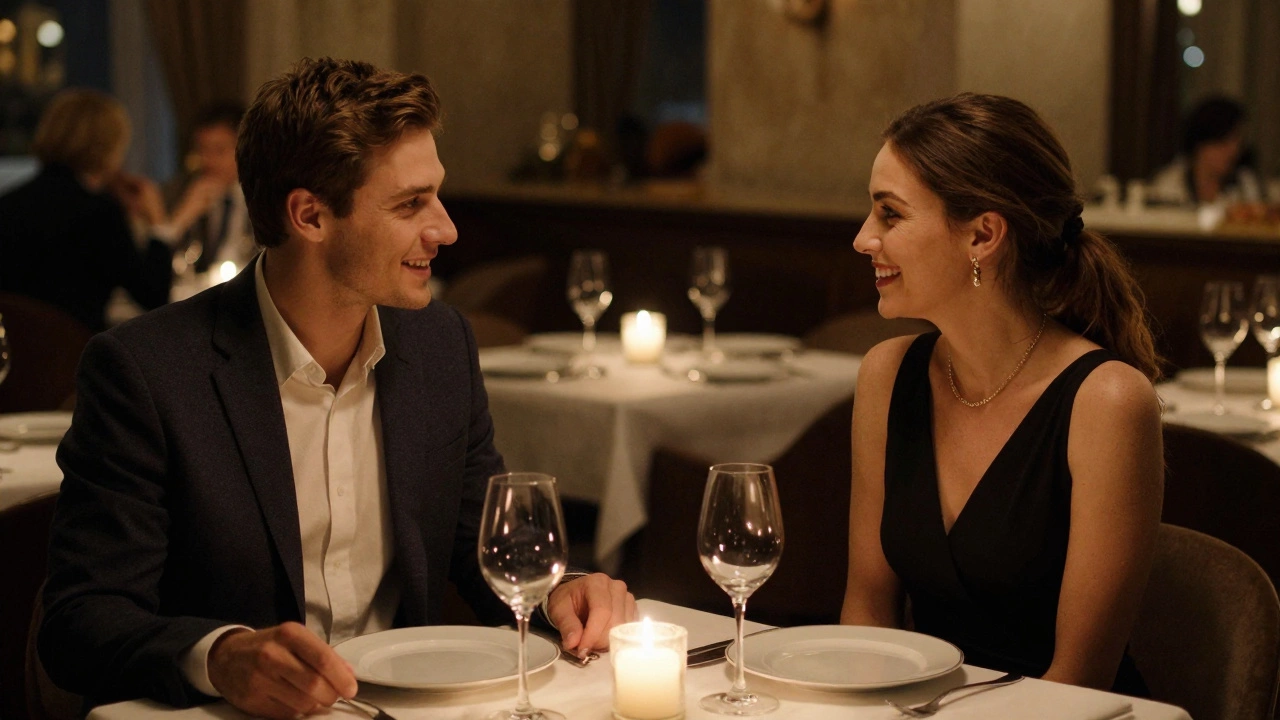

Behind closed doors in Moscow, St. Petersburg, and other major Russian cities, a quiet but thriving industry operates with precision: escort services built on confidentiality, reliability, and high standards. Unlike what movies or sensational headlines suggest, the reality is far more structured. Clients aren’t just looking for companionship-they’re seeking someone who can navigate social settings with grace, maintain absolute privacy, and deliver an experience that feels personal, not transactional. This isn’t about street-level encounters. It’s about trained professionals who understand boundaries, timing, and emotional intelligence. Many clients are business travelers, diplomats, or local professionals who value discretion above all else. The best agencies screen candidates rigorously, requiring language skills, cultural awareness, and sometimes even formal training in etiquette or communication. The result? A service that feels more like a curated experience than a transaction.
For those unfamiliar with the scene, it’s easy to assume this is all about physical attraction. But the most successful providers focus on chemistry, conversation, and comfort. A client might book an escort for a dinner at a Michelin-starred restaurant, a theater night, or even a quiet walk through a park after a long business day. The emphasis is on presence-not performance. That’s why many agencies now offer profiles that highlight interests: classical music, wine tasting, foreign languages, or art history. Some even list hobbies like skiing or photography. This isn’t just marketing. It’s matching. And it’s why you’ll find references to services like euroescort london in discussions about professional companionship across Europe. The standards in Russia mirror those in London, Paris, or Berlin: professionalism is non-negotiable.
How the Russian Escort Industry Maintains Discretion
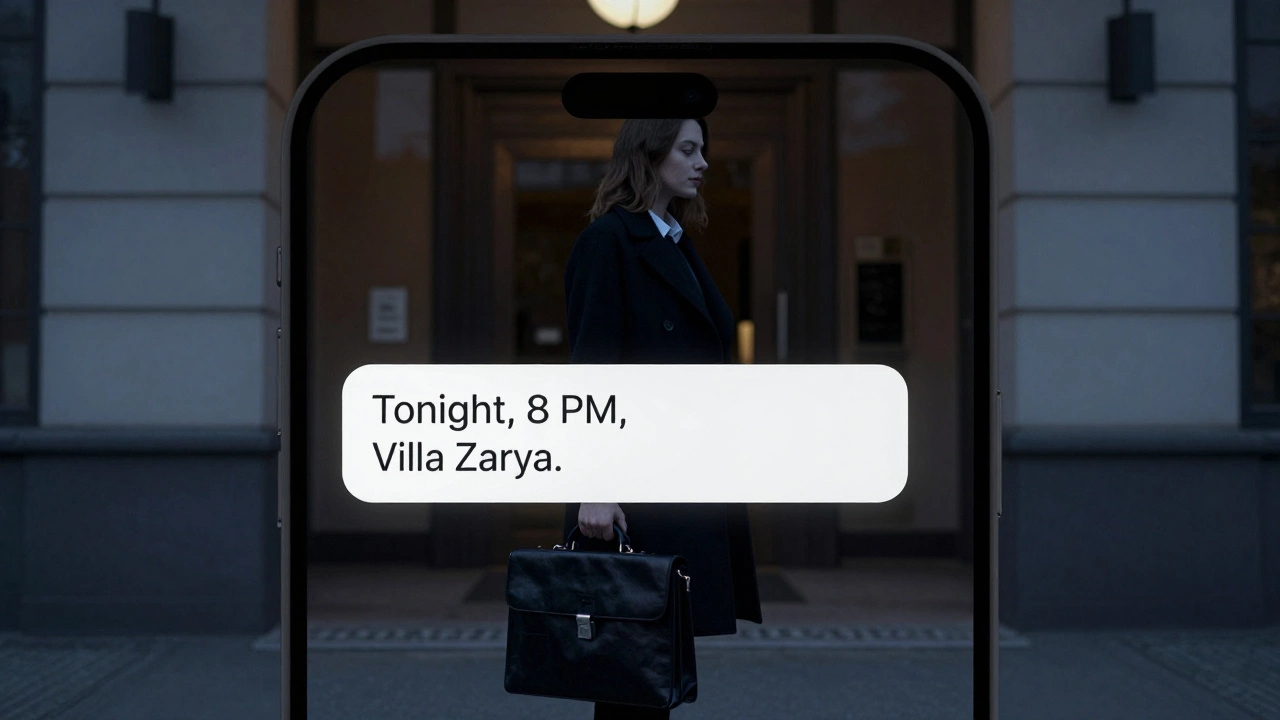
Discretion isn’t just a buzzword here-it’s the foundation. Most agencies avoid public advertising. No billboards, no Instagram profiles, no Google ads. Instead, they rely on word-of-mouth, encrypted messaging apps, and private referral networks. Clients often come through trusted contacts. New clients are vetted just as carefully as providers. A simple rule: if you can’t keep quiet, you don’t get access. Phone numbers are temporary. Payments are made in cash or through untraceable digital methods. Meetings happen in neutral locations-hotels, private apartments, or even rented villas outside the city. There are no fixed addresses listed online. No public names. No photos used outside approved client portals.
Even the agencies themselves operate with minimal digital footprints. Websites are basic, often hosted on .ru domains with no contact info visible. Customer service is handled through secure chat systems that auto-delete messages after 24 hours. Some providers use pseudonyms only, and even those are changed every few months. This level of caution isn’t paranoia-it’s survival. Russian laws around prostitution are ambiguous, and while escorting itself isn’t illegal, solicitation or public advertising can trigger legal scrutiny. So the industry has adapted. It’s not underground. It’s just invisible.
Professionalism as a Standard, Not a Bonus
What separates top-tier Russian escorts from the rest isn’t looks-it’s training. Many providers have backgrounds in hospitality, tourism, or even diplomacy. Some speak three or more languages fluently. Others have studied psychology or social dynamics. Agencies invest in orientation programs that cover everything from table manners to handling difficult conversations. One provider in Kazan told me she spent six weeks learning how to respond to questions about politics without revealing her opinions. Another was coached on how to recognize signs of emotional distress in clients and when to offer silence instead of advice.
There’s also a strong emphasis on hygiene, appearance, and punctuality. Clients expect clean, well-groomed individuals who dress appropriately for the occasion. No flashy jewelry. No strong perfume. No last-minute cancellations. Miss a scheduled meeting, and you’re removed from the roster. No second chances. This isn’t a side gig-it’s a career. Many providers work full-time, earn more than doctors or teachers, and reinvest in their personal development: language courses, fitness trainers, therapy sessions. They treat their work like a service industry job, not a secret lifestyle.
The Role of Technology and Client Expectations
Technology has changed how the industry operates, but not its core values. Apps and encrypted platforms have replaced phone calls, but they haven’t made things less personal. In fact, they’ve made matching more precise. Clients can now filter by language, age range, interests, or even zodiac sign. Some agencies use AI-driven compatibility quizzes to suggest matches based on personality traits. A client who loves jazz and hates small talk will be paired with someone who reads Kafka and prefers long walks over parties. This isn’t science fiction-it’s standard practice in Moscow’s top agencies.
But here’s the twist: clients don’t want automation. They want authenticity. The best providers know how to use tech to streamline logistics but never let it replace human connection. A text message might confirm a meeting time, but the conversation that follows is entirely organic. Many clients say they return not because of how someone looks, but because they felt understood. One businessman from Germany said he booked the same escort three times in six months-not because she was beautiful, but because she remembered his dog’s name and asked about his daughter’s graduation.
Why This Model Works Better Than Others
Compare this to the more visible escort scenes in places like Thailand or the Philippines, where pricing is public and services are often listed in broad categories. In Russia, there’s no price list. No package deals. No “hourly rates” advertised. Every arrangement is customized. A 2-hour dinner might cost the same as a full-day trip to a countryside estate. It depends on the client’s needs, the provider’s availability, and the level of emotional labor involved. This flexibility creates loyalty. Clients aren’t shopping-they’re building relationships.
And that’s why the industry survives despite political pressure, economic sanctions, and social stigma. It doesn’t rely on volume. It relies on reputation. One bad review can end a provider’s career. One glowing reference can open doors to elite circles. The most respected escorts are often invited to private events, art gallery openings, or even diplomatic receptions. They’re not hidden away-they’re integrated, quietly, into the fabric of high-society life.
How It Compares to Other European Markets
While the Russian model is unique in its emphasis on silence and sophistication, it shares DNA with other European markets. In London, for example, the demand for high-end companionship has grown steadily over the past decade. Agencies there also prioritize discretion, but they’re more likely to use branded websites and professional photography. The clients are similar: executives, entrepreneurs, diplomats. But the tone is different. In London, you’ll see terms like euro girls london or euro girls escorts london used in marketing materials-language that’s absent in Russia. There’s a performative element in Western markets that Russian providers avoid. They don’t want to be seen as products. They want to be seen as people.
That’s not to say Russia is superior. It’s just different. In London, clients might expect a more structured service with set hours and clear boundaries. In Russia, the boundaries are fluid, defined by mutual respect rather than contracts. Both systems work. But only one has managed to stay completely off the radar for decades.
What Clients Really Want-And What They Don’t
Let’s clear up a myth: no one books an escort because they can’t find a partner. Most clients are married, in relationships, or simply not interested in dating apps. What they’re looking for is a space where they can be themselves-without judgment, without performance pressure, without the need to impress. One client, a 52-year-old engineer from Novosibirsk, put it simply: “I don’t need love. I need someone who listens without trying to fix me.”
That’s the real value. Not sex. Not glamour. Not status. Just presence. And that’s why the industry thrives even during economic downturns. When people feel isolated, they seek connection. When they feel unseen, they pay for someone who sees them. The Russian escort industry doesn’t sell fantasy. It sells recognition.
Myths vs. Reality
Myth: Escorts are exploited or forced into the industry. Reality: Most enter voluntarily. Many have degrees, savings, and other job options. They choose this because it offers freedom, income, and control over their time.
Myth: It’s dangerous. Reality: Agencies enforce strict safety protocols. Clients are background-checked. Providers carry panic buttons. Meetings are logged with trusted third parties. Fatal incidents are extremely rare.
Myth: It’s only for rich men. Reality: Clients include women, LGBTQ+ individuals, and older adults. One agency in Yekaterinburg reports that 38% of their clients are women seeking female companions.
Myth: It’s declining. Reality: Demand has grown 17% since 2022, according to internal industry surveys. The pandemic didn’t hurt it-it refined it. Agencies that survived now operate with tighter standards and higher client retention.
Final Thoughts
The Russian escort industry doesn’t shout. It doesn’t need to. It thrives because it delivers what people truly want: dignity, privacy, and human connection without the baggage of expectation. It’s not about sex. It’s not about power. It’s about being seen, heard, and respected-even if just for an evening. And in a world that’s louder than ever, that’s a rare and valuable thing.
For those curious about similar services elsewhere, you’ll find parallels in cities like Paris, Vienna, or even London-where the language may change, but the need doesn’t. You might come across terms like euroescort london in online forums, but the core experience remains the same: professionalism, discretion, and quiet excellence.